
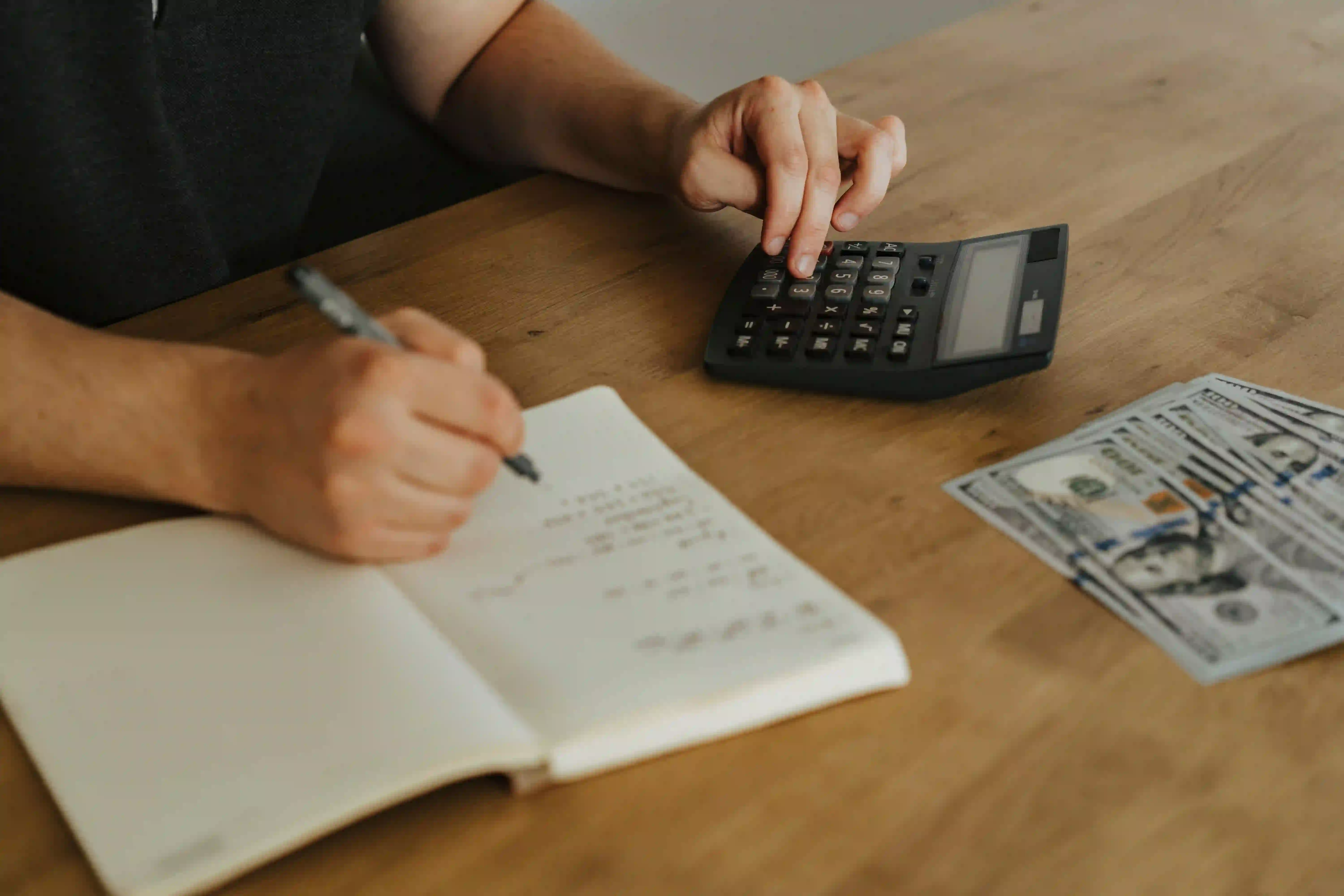
Household expenses can quietly increase over time. A few subscriptions here, higher grocery spending there and several small convenience purchases can eventually make a noticeable difference to your monthly budget.
Reducing household expenses does not necessarily mean cutting everything you enjoy. A better approach is to understand where your money is going, identify expenses that provide limited value and make practical changes that fit your household.
Some savings come from small daily habits. Others come from reviewing large recurring expenses such as housing, transportation, insurance, utilities and debt payments.
- Track your household spending.
- Separate essential and flexible expenses.
- Review recurring subscriptions and memberships.
- Reduce food waste and unnecessary grocery purchases.
- Look for utility and transportation savings.
- Review large monthly bills regularly.
- Send the money you save toward a specific financial goal.
What Are Household Expenses?
Household expenses are the costs associated with maintaining your home and everyday lifestyle.
They can include:
- Housing
- Utilities
- Groceries
- Transportation
- Insurance
- Internet and phone services
- Subscriptions
- Household supplies
- Home maintenance
- Entertainment and dining
- Debt payments
Not all household expenses can be reduced immediately. Separating fixed, variable and discretionary expenses can help you determine where to focus first.
Fixed vs. Variable Household Expenses
Fixed expenses generally stay relatively consistent from month to month, while variable expenses can change depending on usage and spending decisions.
| Expense Type | Examples | Potential Flexibility |
|---|---|---|
| Fixed | Rent, mortgage, loan payments | Usually lower in the short term |
| Variable | Utilities, groceries, fuel | Often moderate |
| Discretionary | Dining, entertainment, shopping | Often higher |
1. Track Every Household Expense
The first step is to understand what you are already spending. Review bank statements, credit card statements, bills and cash purchases.
Track expenses for at least one full month if possible. This gives you a more realistic picture because some bills are monthly while others occur less frequently.
Once you know the numbers, look for categories that consistently exceed your expectations.
2. Build a Household Budget
A household budget gives every major expense a place in your financial plan.
Start with your household income and subtract essential expenses. Then identify savings goals, debt payments and discretionary spending.
If you need a starting point, see our guide to creating a budget .
3. Review Your Largest Expenses First
It is easy to focus on small purchases because they are visible every day. However, large recurring expenses can have a much bigger impact on your household budget.
Review:
- Housing costs
- Transportation
- Insurance
- Debt payments
- Childcare
- Utilities
- Recurring services
Even a modest reduction in a large monthly expense can create meaningful savings over a year.
4. Reduce Grocery Spending
Groceries are an essential household expense but there are often several ways to make the category more efficient.
- Plan meals before shopping.
- Make a shopping list.
- Check your pantry and freezer first.
- Compare unit prices.
- Use store brands when appropriate.
- Buy quantities you can actually use.
- Reduce food waste.
The goal is not simply to buy the cheapest products. It is to reduce waste and make your grocery spending more intentional.
Read our Save Money on Groceries guide for additional ideas.
5. Reduce Food Waste
Food that gets thrown away is money that was spent without providing much value.
Before shopping, check what needs to be used. Plan meals around ingredients that are approaching their use-by or best-before dates, where appropriate.
Freezing suitable foods and using leftovers for another meal can also help reduce waste.
6. Cook More Meals at Home
Restaurant meals, takeout, delivery fees and convenience food can add up quickly.
Cooking more meals at home can give you greater control over ingredient costs and portion sizes.
If you have a busy schedule, focus on simple meals rather than complicated recipes. Preparing a few basic meals in advance can make home cooking easier to maintain.
7. Audit Your Subscriptions
Recurring subscriptions can be easy to overlook because the charges happen automatically.
Review streaming services, software, fitness memberships, cloud storage, apps, publications and other recurring charges.
Cancel or pause services that you do not use enough to justify the cost.
8. Review Your Internet and Phone Plans
Communication services can represent a significant recurring household expense.
Review your current plan and compare it with your actual usage. You may discover that you are paying for features, data, channels or services that you rarely use.
Before switching providers, check the complete pricing, contract terms, equipment charges, taxes and promotional expiration dates.
9. Reduce Energy Waste
Household energy costs can vary based on climate, home size, appliances, utility rates and usage habits.
Simple steps can include:
- Turn off lights when rooms are not being used.
- Use efficient settings on appliances.
- Adjust heating and cooling appropriately.
- Reduce unnecessary hot-water use.
- Check doors and windows for obvious drafts.
- Maintain heating and cooling equipment.
For a more detailed guide, see How to Save on Utilities .
10. Review Your Water Usage
Water expenses can increase because of leaks, inefficient fixtures, long showers, outdoor usage or other household habits.
Check for obvious leaks and avoid unnecessary water waste. Small changes can become more meaningful when maintained over many months.
11. Reduce Transportation Costs
Transportation can be one of the largest household expense categories.
Depending on your circumstances, consider:
- Combining errands.
- Carpooling when practical.
- Using public transportation.
- Walking or cycling for suitable short trips.
- Reducing unnecessary ride share trips.
- Planning routes more efficiently.
You should consider safety, accessibility, travel time and reliability when evaluating transportation changes.
12. Maintain Your Vehicle
Regular maintenance can help you identify problems before they become more expensive repairs.
Follow the manufacturer's recommended maintenance schedule and address known issues appropriately.
Avoid skipping necessary maintenance simply to reduce short-term spending.
13. Review Insurance Costs
Insurance is an important household expense but your coverage and pricing should be reviewed periodically.
Compare available policies when appropriate and understand the coverage, deductibles, exclusions, limits and total cost before making changes.
Do not reduce important coverage solely to achieve a lower monthly payment without understanding the potential consequences.
14. Reduce Impulse Shopping
Household spending can increase when purchases are made without a plan.
Before buying non-essential items, introduce a waiting period. For larger purchases, waiting several days can give you time to compare alternatives and decide whether the item is genuinely necessary.
Removing shopping apps from your phone and unsubscribing from promotional emails can also reduce temptation.
See our guide to stopping impulse buying for more strategies.
15. Buy Used When It Makes Sense
Certain household items can be purchased secondhand at lower prices.
Furniture, books, tools, clothing and some electronics may have suitable used alternatives.
Evaluate condition, safety, warranty coverage, expected lifespan and total cost before buying used.
16. Repair Before Replacing
Replacing something immediately is not always the least expensive option.
For appropriate household items, compare the cost of repair with the cost of replacement.
Consider the item's age, condition, repair reliability, energy efficiency and expected remaining lifespan.
17. Use What You Already Own
Before buying something new, check whether you already own something that can perform the same function.
This is particularly useful for kitchen equipment, tools, clothing, storage products, office supplies and entertainment.
A household inventory can help you remember what you already have.
18. Create a Household Shopping List
Shopping without a list can make unnecessary purchases easier.
Keep a running list for groceries and household supplies. Before purchasing, check whether the item is already available at home.
This simple habit can reduce duplicate purchases and impulse spending.
19. Reduce Convenience Fees
Convenience fees can appear in delivery services, food ordering, ticket platforms, payment services and other transactions.
Where practical, compare the total cost of different purchasing methods rather than looking only at the advertised price.
20. Plan Household Purchases
Planning larger purchases can help you compare prices, wait for appropriate sales and avoid last-minute buying.
Create a list of expected household purchases for the next few months and prioritize them.
Separating "need soon" from "nice to have" can prevent your budget from being consumed by low-priority purchases.
21. Reduce Entertainment Costs
Entertainment does not have to disappear from your budget. Instead, compare the cost of different options.
Libraries, parks, community events, free online resources, home movie nights and other low-cost activities can provide alternatives to expensive outings.
22. Set a Household Spending Limit
Give flexible household spending a defined monthly limit.
For example, you might create separate targets for groceries, dining, entertainment, personal purchases and household supplies.
The goal is not to make spending uncomfortable. It is to make the limits visible before the money is spent.
23. Review Household Expenses Every Month
A one-time budget review is useful but recurring reviews can help you catch gradual increases.
Once a month, review:
- Total household income
- Total spending
- Recurring bills
- Grocery costs
- Transportation
- Subscriptions
- Savings contributions
- Debt payments
24. Create Sinking Funds for Irregular Expenses
Some household expenses do not occur every month but are still predictable.
Examples include:
- Annual insurance
- Vehicle maintenance
- Home repairs
- Holiday spending
- School expenses
- Property-related costs
A sinking fund lets you set aside money gradually instead of trying to find the entire amount when the bill arrives.
Learn more in our Sinking Funds Guide .
25. Send Your Savings Toward a Goal
Reducing expenses only improves your financial position if the money you save is actually retained or redirected.
Consider transferring the money you free up toward:
- Emergency savings
- Debt reduction
- A planned purchase
- A vacation fund
- Long-term savings
- Another financial priority
Giving the savings a purpose can make it easier to maintain the new spending habits.
Where to Look for Household Savings First
| Category | Examples | Potential Approach |
|---|---|---|
| Food | Groceries, takeout | Meal planning and less waste |
| Subscriptions | Streaming, apps, memberships | Cancel unused services |
| Utilities | Electricity, water, heating | Reduce waste and review usage |
| Transportation | Fuel, ride share, parking | Combine trips and compare alternatives |
| Shopping | Clothing, household goods | Delay purchases and compare prices |
| Entertainment | Dining, events, activities | Use lower-cost alternatives |
A Simple Household Expense Reduction Plan
If you are not sure where to begin, use a four-week process.
Week 1: Measure
- Review recent statements.
- List recurring bills.
- Track daily spending.
- Identify your five largest expense categories.
Week 2: Reduce
- Cancel unused subscriptions.
- Reduce takeout.
- Plan grocery purchases.
- Pause unnecessary shopping.
Week 3: Optimize
- Review utilities.
- Review phone and internet plans.
- Compare insurance costs when appropriate.
- Look for transportation savings.
Week 4: Redirect
- Calculate your estimated monthly savings.
- Set a new household spending target.
- Automate savings where appropriate.
- Review the plan every month.
Example Monthly Household Savings
Consider a household that identifies several areas where spending can be reduced.
| Category | Example Monthly Reduction |
|---|---|
| Subscriptions | $35 |
| Dining and takeout | $100 |
| Groceries and food waste | $75 |
| Transportation | $50 |
| Household shopping | $60 |
| Utilities and other flexible costs | $40 |
| Total Example | $360 |
This is only an illustration. Actual savings depend on your household's income, expenses, location, existing contracts, lifestyle and available alternatives.
Expenses You Should Not Cut Recklessly
Reducing expenses does not mean reducing every expense. Some costs protect your household's health, safety, stability or long-term financial position.
Be especially careful about cutting:
- Necessary medical care
- Essential insurance coverage
- Required debt payments
- Basic food needs
- Necessary transportation
- Important home maintenance
- Safety-related repairs
A lower monthly bill is not automatically a better financial decision if it creates a larger cost later.
Common Household Budget Mistakes
Only Cutting Small Purchases
Small purchases matter but ignoring large recurring costs can limit how much you can realistically save.
Forgetting Annual Expenses
A budget can look balanced until an annual bill arrives. Include irregular expenses in your planning.
Setting Unrealistic Limits
A budget that is impossible to follow will not remain useful. Build limits around actual household needs.
Not Tracking the Results
After making changes, compare your actual spending with previous months to see whether the changes are producing meaningful savings.
Household Expense Reduction Checklist
- ☐ Track all household spending.
- ☐ Create a realistic household budget.
- ☐ Review the largest expense categories.
- ☐ Reduce grocery waste.
- ☐ Plan meals.
- ☐ Review subscriptions.
- ☐ Compare phone and internet plans.
- ☐ Review utility usage.
- ☐ Reduce unnecessary transportation costs.
- ☐ Review insurance periodically.
- ☐ Reduce impulse shopping.
- ☐ Create sinking funds for irregular expenses.
- ☐ Redirect savings toward a specific goal.
- ☐ Review the household budget every month.
Frequently Asked Questions
What is the easiest way to reduce household expenses?
Start with expenses that are flexible and easy to change, such as unused subscriptions, dining out, impulse shopping, convenience purchases and avoidable food waste.
How can I lower my monthly bills?
Review recurring services, utilities, insurance, phone and internet plans and other regular charges. Compare the cost with your actual usage and look for appropriate alternatives.
How can a family save money on groceries?
Meal planning, using a shopping list, checking your pantry, comparing unit prices, reducing food waste and buying only quantities your household can use can help make grocery spending more efficient.
Should I cut subscriptions first?
Unused subscriptions can be an easy category to review because they are recurring and may provide little value. However, your largest flexible expenses may offer greater potential savings.
How much should a household try to save each month?
There is no single amount that works for every household. Consider your income, required expenses, debt, emergency savings and financial goals when setting a target.
Is reducing household expenses better than earning more?
Expense reduction and additional income solve different parts of the same problem. Cutting unnecessary costs can improve cash flow, while additional income can increase the amount available for savings or other financial priorities.
Final Thoughts
Reducing household expenses is not about making every part of your life cheaper. It is about making sure your money is being used intentionally.
Start by tracking your spending, then focus on the categories with the greatest combination of cost and flexibility. Review recurring bills, groceries, utilities, transportation, subscriptions and discretionary purchases.
Once you identify savings, give that money a purpose. Building an emergency fund, paying down expensive debt or saving toward a planned goal can turn monthly expense reductions into meaningful financial progress.
Related Saving Guides
How to Save Money Fast
Practical strategies for reducing spending and reaching a short-term savings goal.
Read Article →
Frugal Living Tips
Practical ways to spend less, reduce waste and build sustainable money habits.
Read Article →
How to Cut Monthly Expenses
Find practical ways to lower recurring expenses and create more room in your monthly budget.
Read Article →