
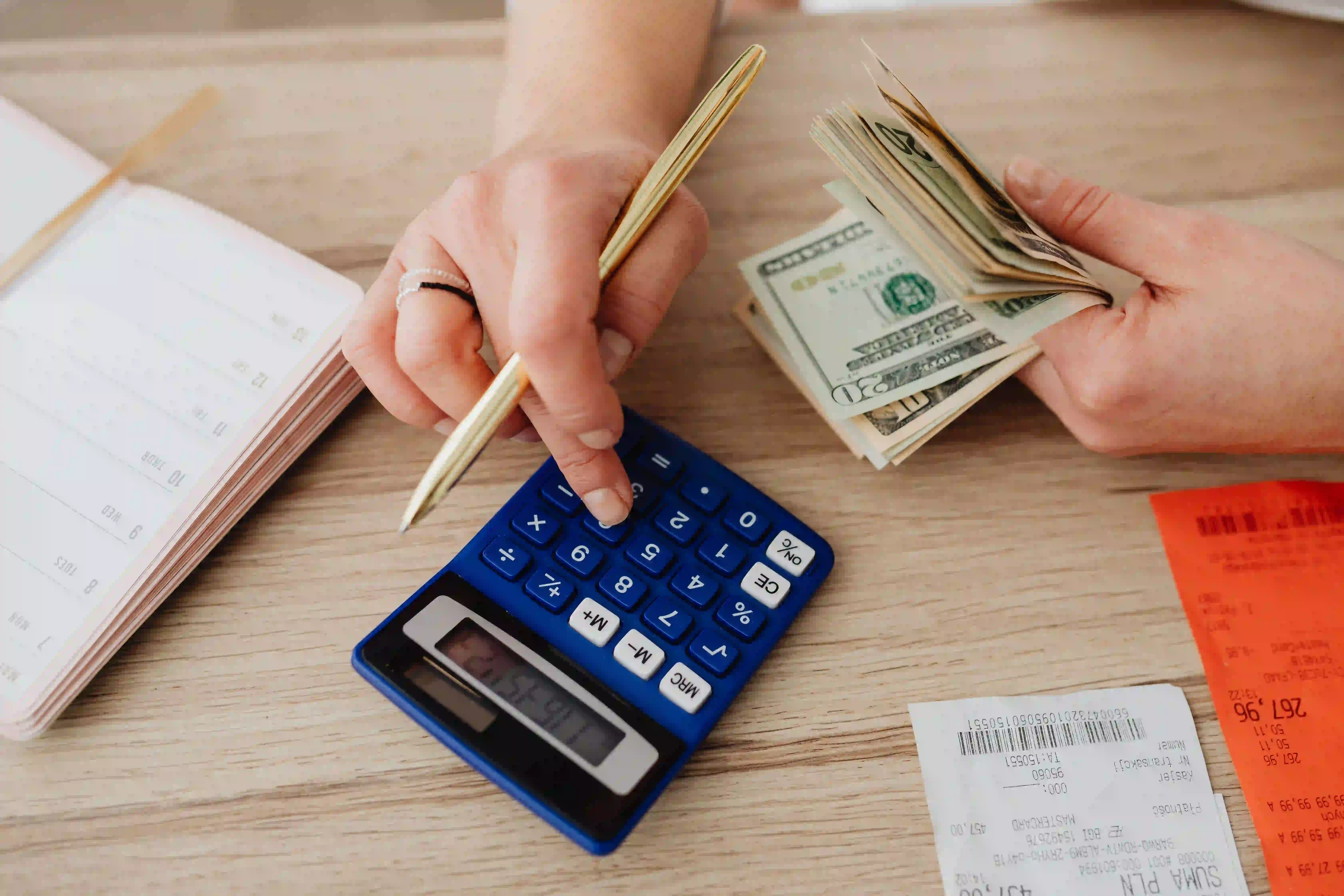
Impulse buying can make it surprisingly difficult to understand where your money goes. A single unplanned purchase may not seem important but repeated small purchases can add up over weeks and months.
The goal is not to stop spending completely. Instead, the goal is to create enough space between the desire to buy something and the actual purchase so you can decide whether it fits your priorities.
What Is Impulse Buying?
Impulse buying is a purchase you make with little or no prior planning. You may see a product, feel an immediate desire to own it and purchase it before considering whether you actually need it or whether the expense fits your budget.
Impulse purchases can happen in physical stores, online marketplaces, social media apps, grocery stores, restaurants, and even subscription services.
Not every spontaneous purchase is necessarily a problem. Occasional unplanned spending can be part of a normal budget. The issue is when impulse purchases regularly interfere with savings goals, debt payments, bills or other priorities.
Why Do People Impulse Buy?
Understanding the reason behind an impulse purchase can make it easier to change the behavior.
Emotional Spending
Stress, boredom, frustration, loneliness or even excitement can influence spending decisions. Shopping may temporarily provide entertainment or a sense of reward.
Convenience
Online shopping has made purchasing extremely easy. Saved payment information, one-click checkout, shopping apps and personalized recommendations can reduce the amount of time between wanting something and buying it.
Discounts and Limited-Time Offers
A discount can create the feeling that you are saving money, even when you would not have purchased the item otherwise.
Social Influence
Social media can expose you to products, trends and lifestyles that encourage frequent purchasing.
Lack of a Spending Plan
Without a clear budget, it can be difficult to know how much discretionary money is actually available.
1. Identify Your Impulse-Buying Triggers
Before trying to change your spending habits, look for patterns. Review recent purchases and ask yourself what was happening immediately before each purchase.
Consider questions such as:
- Was I bored, stressed, tired or frustrated?
- Was I scrolling through social media?
- Was the product discounted?
- Did an advertisement create urgency?
- Was I shopping because I needed something or because I wanted entertainment?
- Was I with friends or influenced by someone else?
- Did I already own something similar?
You do not need to judge yourself while doing this. The purpose is simply to identify recurring patterns.
2. Track Your Unplanned Purchases
For one month, write down every unplanned purchase. Include small purchases that may normally be ignored.
| Purchase | Cost | Trigger | Would Buy Again? |
|---|---|---|---|
| Takeout | $22 | Tired after work | Maybe |
| Clothing | $48 | Sale | No |
| Online accessory | $19 | Boredom | No |
After several weeks, patterns often become much easier to see. You may discover that your biggest issue is not one large purchase but several recurring situations.
3. Create a Waiting Period
One of the simplest ways to reduce impulse purchases is to stop making immediate decisions.
Create a personal waiting rule. For example:
- Wait 24 hours for smaller non-essential purchases.
- Wait 48 hours for moderately expensive purchases.
- Wait 7 days or longer for expensive items.
Add the item to a wishlist instead of purchasing it immediately. If you still want it after the waiting period and it fits your budget, you can reconsider the purchase.
4. Remove Saved Payment Information
Convenience can work against you when you are trying to control impulse spending.
Consider removing saved credit card and payment information from shopping websites that frequently tempt you.
Having to manually enter your payment information creates an additional step. That small amount of friction can give you time to reconsider the purchase.
5. Unsubscribe From Promotional Messages
Your inbox can become a constant stream of shopping opportunities. If you regularly receive promotional emails, texts or app notifications, consider unsubscribing from the ones that encourage unnecessary purchases.
You do not need to know about every sale.
A useful rule is to shop when you have a need rather than shopping because a retailer has created a reason to visit.
6. Make Shopping Apps Less Accessible
If certain apps consistently lead to unnecessary purchases, consider removing them from your phone or turning off their notifications.
You can also move shopping apps away from your home screen. The objective is not to make shopping impossible. It is to eliminate unnecessary reminders and reduce automatic behavior.
7. Use a Wishlist Instead of Buying Immediately
A wishlist gives you a place to record things you want without turning every desire into a purchase.
When you see something interesting, save the product name and price instead of checking out.
Review the list once or twice a month. You may find that many items no longer seem important after the initial excitement disappears.
8. Ask Yourself Five Questions Before Buying
Before making a non-essential purchase, pause and ask:
- Do I actually need this?
- Do I already own something that serves the same purpose?
- Would I buy this if it were not on sale?
- Does this purchase fit my current budget?
- Would I rather use this money for one of my financial goals?
You do not need to answer every question perfectly. The purpose is to interrupt automatic purchasing behavior.
9. Shop With a List
Shopping lists are especially useful for groceries, household supplies, clothing and other categories where it is easy to add extra items.
Before entering a store or opening a shopping website, write down what you actually intend to buy.
If something else catches your attention, add it to a separate list rather than purchasing it immediately.
10. Create a Guilt-Free Spending Budget
Trying to eliminate every enjoyable purchase can make a budget difficult to maintain.
Instead, consider creating a specific category for discretionary spending.
This money can be used for entertainment, restaurants, hobbies, clothing or other non-essential purchases.
The key is to spend within the amount you have intentionally allocated rather than spending first and figuring out the consequences later.
11. Consider a Separate Spending Account
Some people find it easier to manage discretionary purchases when the money is separated from funds reserved for bills, savings and other priorities.
For example, you might transfer a predetermined amount into a separate spending account at the beginning of each month.
Once that amount is used, you can wait until the next planned transfer rather than pulling money from other categories.
12. Find Alternatives to Emotional Shopping
If you tend to shop when you are stressed or bored, replacing the behavior can be more effective than simply telling yourself not to shop.
Possible alternatives include:
- Taking a walk.
- Calling a friend.
- Exercising.
- Reading.
- Cooking.
- Working on a hobby.
- Watching a movie you already have access to.
- Spending time outdoors.
The best alternative is one that gives you a similar sense of relaxation, entertainment or accomplishment without requiring an unnecessary purchase.
13. Reduce Product-Focused Social Media
If your social feeds frequently expose you to products you want, changing what you see can reduce purchasing triggers.
Unfollow or mute accounts that consistently encourage shopping. You can also intentionally follow content related to hobbies, education, fitness, travel, cooking or other interests that do not revolve around buying things.
14. Think About Purchases in Hours of Work
Price tags can feel abstract. Converting a purchase into work time can provide another perspective.
For example, if a non-essential item costs $120 and you take home approximately $20 per hour after taxes and other deductions, the purchase represents about six hours of that take-home income.
This does not mean you should never buy something expensive. It simply gives you another way to think about the trade-off.
15. Connect Spending Decisions to Your Goals
A purchase becomes easier to evaluate when you compare it with something you actually want to accomplish.
Your goal might be:
- Building an emergency fund.
- Paying down credit card debt.
- Saving for a home.
- Saving for a vacation.
- Increasing retirement contributions.
- Building a larger cash reserve.
Before buying something unnecessary, ask whether the purchase is worth delaying one of those goals.
16. Be Careful With "Limited-Time" Pressure
Limited-time offers can create urgency. Sometimes the urgency is legitimate but you still have the right to pause.
Ask yourself whether you wanted the item before seeing the promotion.
If the answer is no, the discount may not actually represent savings for you.
17. Remember That a Discount Is Not Automatically Savings
Suppose a product normally costs $100 and is discounted to $70. You might think you saved $30.
But if you did not need the product, your actual cash outflow is still $70.
18. Delete Retail Apps That Trigger Spending
If a particular retailer repeatedly leads to purchases you did not plan to make, deleting the app can be a practical step.
You can still access the retailer through a browser when you have a genuine need to shop.
This creates a useful distinction between intentional shopping and entertainment-based browsing.
19. Try a One-In, One-Out Rule
For categories such as clothing, shoes, kitchen equipment or electronics, consider using a one-in, one-out rule.
When you want to purchase a replacement or additional item, identify what existing item will be sold, donated, recycled or removed.
This can make the physical cost of adding more things to your life more visible.
20. Review Your Spending at the End of Each Month
A monthly spending review can help you identify whether your strategies are working.
Review:
- Unplanned purchases.
- Shopping categories.
- Online purchases.
- Restaurant and delivery spending.
- Subscription charges.
- Money transferred to savings.
- Progress toward financial goals.
Focus on patterns rather than criticizing yourself for individual purchases.
A Simple Anti-Impulse-Buying System
You do not need dozens of complicated rules. A simple system could look like this:
| Situation | Rule |
|---|---|
| Small non-essential purchase | Wait 24 hours |
| Moderate purchase | Wait 48 hours |
| Expensive purchase | Wait 7 days |
| Groceries | Use a shopping list |
| Online shopping | Remove saved payment details |
| Promotional emails | Unsubscribe |
| Discretionary spending | Use a predetermined monthly amount |
A 30-Day No-Impulse-Buying Challenge
If you want to make a stronger change, try a 30-day experiment.
Week 1: Observe
- Track every unplanned purchase.
- Write down the trigger.
- Identify your most common shopping situations.
Week 2: Add Friction
- Remove saved payment information.
- Turn off shopping notifications.
- Unsubscribe from promotional emails.
- Remove unnecessary shopping apps.
Week 3: Introduce Rules
- Use a 24-hour waiting rule.
- Create a wishlist.
- Use shopping lists.
- Set a discretionary spending limit.
Week 4: Review
- Compare your spending with the previous month.
- Identify which strategies worked.
- Keep the rules that were useful.
- Adjust the rules that were unrealistic.
Common Mistakes When Trying to Stop Impulse Buying
Trying to Stop All Fun Spending
A budget that leaves no room for enjoyable spending may be difficult to maintain. Consider creating a reasonable discretionary category instead.
Relying Only on Willpower
Changing your environment can be more practical than constantly fighting temptation. Notifications, saved payment methods and promotional emails can all be reduced.
Ignoring Small Purchases
Small purchases may seem harmless individually but recurring spending can become significant over time.
Using Credit to Fund Unplanned Spending
If an impulse purchase is placed on a credit card and carried as a balance, the eventual cost can be higher than the original purchase because of interest and fees.
Giving Up After One Bad Purchase
One unnecessary purchase does not mean the entire plan failed. Review what triggered it and continue with your system.
Impulse-Buying Checklist
Before making an unplanned purchase, use this quick checklist:
- ☐ Do I actually need it?
- ☐ Do I already own something similar?
- ☐ Did I plan for this purchase?
- ☐ Can I afford it without taking money from another priority?
- ☐ Would I still want it tomorrow?
- ☐ Am I buying because of a discount?
- ☐ Am I shopping because I am bored or stressed?
- ☐ Does this support my current financial goals?
- ☐ Could I wait before deciding?
Frequently Asked Questions
How can I stop impulse buying immediately?
Start by creating a waiting period for non-essential purchases. Remove saved payment information, turn off shopping notifications and avoid browsing shopping apps when you do not have a specific need.
Why do I keep buying things I do not need?
Impulse buying can be connected to emotional triggers, convenience, social influence, discounts, boredom or a lack of a clear spending plan. Tracking purchases can help you identify your personal patterns.
Does a shopping ban work?
A temporary shopping ban can help some people identify unnecessary spending patterns but a long-term approach usually requires sustainable rules and a realistic budget.
How long should I wait before buying something?
There is no universal waiting period. A simple approach is 24 hours for smaller non-essential purchases, longer for more expensive items and enough time to compare the purchase with your budget and goals.
How can I stop impulse buying online?
Remove saved payment information, unsubscribe from promotional emails, disable retail notifications, delete tempting shopping apps and use a wishlist with a waiting period before checking out.
Is buying something on sale still impulse buying?
It can be. A sale does not automatically make a purchase necessary. If you would not have wanted the item before seeing the discount, waiting may be useful.
Final Thoughts
Learning how to stop impulse buying is less about never buying anything spontaneous and more about creating a pause between wanting something and paying for it.
Start by identifying your triggers. Then make unnecessary purchases slightly harder, introduce a waiting period, use a realistic discretionary budget and connect everyday spending decisions to your larger financial goals.
Small changes can make a meaningful difference when they are repeated consistently. The objective is to make your spending more intentional so your money supports the things that matter most to you.