
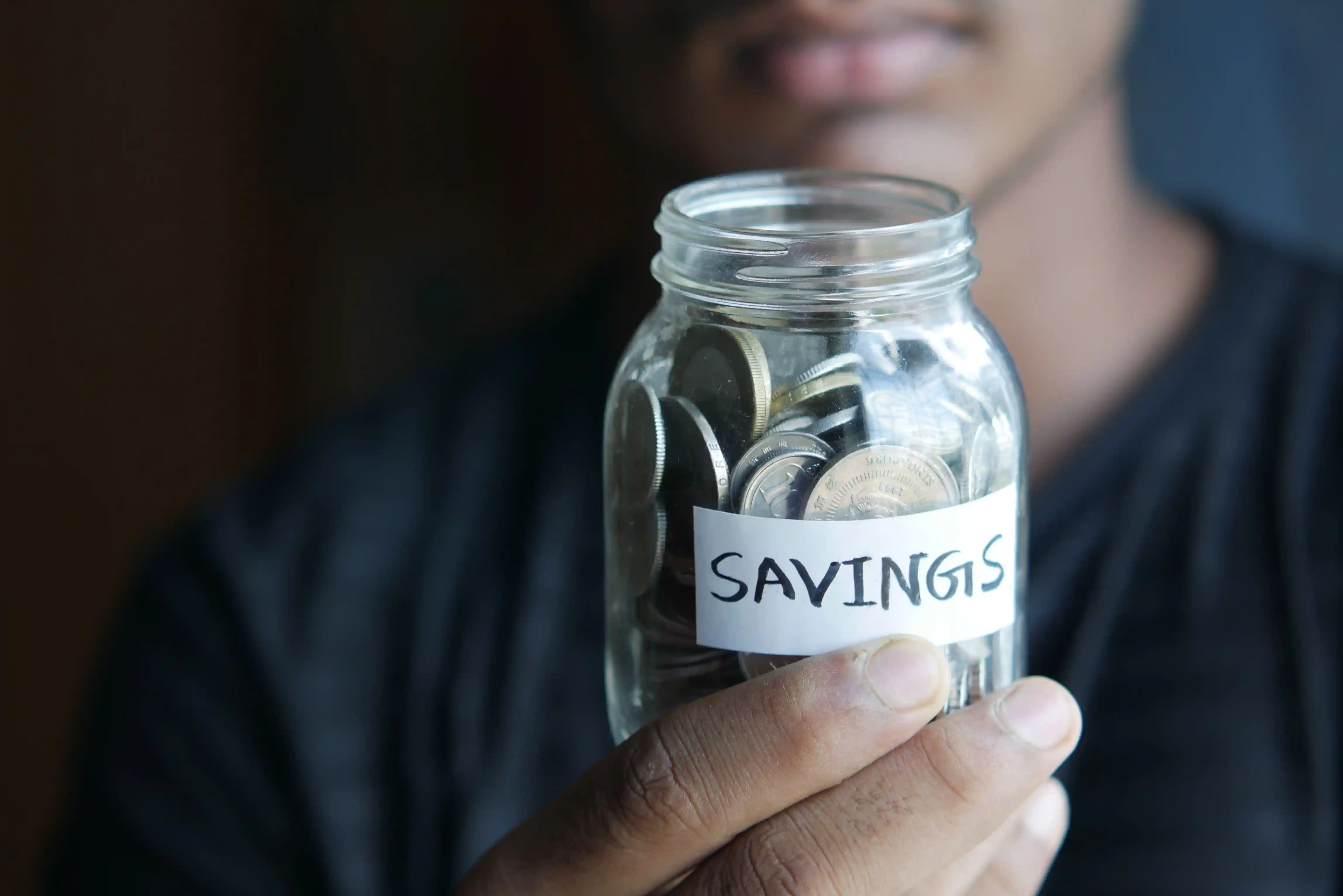
Saving money is often easier when it becomes a routine rather than something you only do when you happen to have extra cash. A strong savings habit can help you prepare for unexpected expenses, work toward major goals and create more flexibility in your everyday finances.
The good news is that you do not need a huge income or a complicated financial system to start. A small amount saved consistently can be more sustainable than setting an unrealistic target and abandoning it after a few weeks.
What Is a Savings Habit?
A savings habit is a repeatable routine that consistently moves part of your available money toward savings.
Instead of asking yourself every month whether you should save, you create a system where saving happens as part of your normal financial routine.
This could mean transferring money every payday, moving a fixed amount each month, rounding up selected purchases or directing part of unexpected income toward a savings goal.
Why Is Saving Money So Difficult?
Saving can be difficult because current expenses are visible and immediate while future goals may feel distant.
Rent, groceries, transportation, subscriptions, entertainment, debt payments and other expenses can consume income before you have a chance to save.
Another common problem is relying on whatever money happens to be left at the end of the month. If there is no specific savings plan, there may be little left to transfer.
A savings system solves part of this problem by giving saving a specific place in your financial routine.
1. Start With a Small, Realistic Goal
One of the biggest mistakes people make is choosing a savings target that is too aggressive.
If saving $500 every month is unrealistic, do not build your entire plan around $500. Starting with $25, $50, $100 or another manageable amount may be more sustainable.
The first objective is consistency.
Once the habit becomes normal, you can increase the amount.
Example
| Monthly Amount | Approximate Annual Savings |
|---|---|
| $25 | $300 |
| $50 | $600 |
| $100 | $1,200 |
| $200 | $2,400 |
These numbers do not account for interest or investment returns. They simply show how consistent contributions can accumulate over time.
2. Give Your Savings a Specific Purpose
Saving becomes easier when you know what the money is for.
Instead of thinking only about "saving more," create specific goals such as:
- Emergency fund.
- Vacation.
- Car replacement.
- Home down payment.
- Annual insurance bill.
- Holiday spending.
- Education expenses.
- Future financial flexibility.
A specific goal gives your savings a reason to exist and makes progress easier to measure.
3. Keep Savings Separate From Everyday Spending
If your savings sit in the same account you use for everyday purchases, it can be tempting to spend the money.
Consider using a separate savings account for money you do not expect to spend during your normal week.
Separating the money can make your available spending balance easier to understand and reduce the temptation to treat savings as extra spending money.
4. Automate Your Savings
Automation is one of the simplest ways to turn saving into a routine.
You can arrange for a predetermined amount to move from your checking account to a savings account on a regular schedule.
Many people prefer scheduling the transfer around payday so the savings contribution happens before the money is available for discretionary spending.
5. Try the "Pay Yourself First" Approach
Paying yourself first means treating savings as a planned financial priority rather than simply saving whatever happens to remain.
For example, if your income arrives every two weeks, you might schedule a predetermined savings transfer around each payday.
The exact amount should fit your budget. The important part is creating a repeatable process.
6. Build a Budget That Supports Saving
A savings habit works better when your overall budget accounts for it.
Start by understanding your regular income and expenses. Separate essential expenses from discretionary spending and identify areas where your money is going.
Then create a savings category rather than treating savings as an afterthought.
Your budget should reflect your actual financial life, not an idealized version of it.
7. Find Money in Your Existing Spending
You do not always need to increase your income to find more money for savings.
Review recurring expenses and look for purchases that do not provide enough value relative to their cost.
Potential areas to review include:
- Unused subscriptions.
- Frequent restaurant orders.
- Delivery fees.
- Unused memberships.
- Impulse shopping.
- Expensive convenience purchases.
- Unnecessary recurring services.
Even a small recurring reduction can create room for a regular savings contribution.
8. Save Part of Unexpected Money
Unexpected money can provide an opportunity to strengthen your savings without changing your regular monthly budget.
Depending on your circumstances, this could include a tax refund, work bonus, cash gift, side-income payment or another unexpected amount.
Instead of automatically spending all of it, consider directing a predetermined portion toward a financial goal.
9. Save a Percentage Instead of a Fixed Amount
A fixed dollar amount is simple but some people prefer saving a percentage of their income.
For example, you might decide that a certain percentage of each paycheck goes toward savings.
This approach can automatically adjust your savings contribution when your income changes.
Choose a percentage that is realistic for your current budget. The best target is one you can maintain consistently.
10. Increase Your Savings Gradually
Once your savings habit becomes comfortable, consider increasing the amount gradually.
For example, you might begin with $50 per month and later move to $60, $75 or $100 when your budget allows.
Another opportunity to increase savings is when your income rises. Instead of allowing every increase in income to become additional lifestyle spending, direct part of it toward your financial goals.
11. Use Sinking Funds for Predictable Expenses
Some expenses are not monthly but they are still predictable.
Examples include:
- Insurance premiums.
- Holiday spending.
- Annual memberships.
- Car maintenance.
- Property-related expenses.
- School or education costs.
- Travel.
A sinking fund allows you to save gradually for these expenses instead of relying on credit or scrambling for cash when the bill arrives.
This can make your overall savings system more organized.
12. Build an Emergency Fund
An emergency fund is designed for unexpected and necessary expenses rather than everyday spending.
The appropriate amount depends on your income, expenses, household situation, job stability and other factors.
If you are starting from zero, focus first on establishing the habit of contributing regularly. You can work toward a larger emergency reserve over time.
Keep emergency savings accessible and separate from money intended for everyday purchases.
13. Make Your Progress Visible
Visible progress can make a savings goal feel more tangible.
You could use:
- A simple savings tracker.
- A spreadsheet.
- A budgeting app.
- A monthly progress chart.
- A goal thermometer.
- A written savings milestone list.
Watching a balance grow can reinforce the habit and provide motivation to continue.
14. Break Large Goals Into Smaller Milestones
A large financial goal can feel distant.
Instead of focusing only on the final number, create smaller milestones.
| Goal | Milestones |
|---|---|
| Emergency Fund | $250 → $500 → $1,000 → larger reserve |
| Vacation | 25% → 50% → 75% → 100% |
| Car Fund | $500 → $1,000 → $2,500 → target amount |
The milestones will vary depending on your situation and goal. Their purpose is to make progress easier to see.
15. Increase Savings When Your Income Increases
A raise can improve your financial situation but lifestyle spending can also rise quickly.
Consider directing part of an income increase toward savings before increasing your regular spending.
You can still use some of the additional income for things you value. The goal is to create a balance between enjoying higher income and strengthening your financial position.
16. Turn Small Savings Into a Habit
Saving does not always have to involve large amounts.
If you spend less than expected in a particular category, you can move some of the difference into savings.
For example, if you budgeted $150 for groceries and spent $130, you could decide to transfer some or all of the $20 difference toward a savings goal.
17. Reduce Impulse Spending
Saving more becomes easier when less money disappears through unplanned purchases.
Common strategies include:
- Using a shopping list.
- Waiting 24 hours before non-essential purchases.
- Removing saved payment information.
- Unsubscribing from promotional emails.
- Turning off shopping notifications.
- Using a discretionary spending limit.
The goal is not to eliminate every enjoyable purchase. It is to make spending more intentional.
18. Build a Payday Routine
Creating a repeatable payday routine can make money management much easier.
A simple routine could include:
- Review your incoming income.
- Move your planned savings amount.
- Check upcoming bills.
- Review your spending budget.
- Allocate money toward short-term goals.
- Check your account balances.
The exact process will depend on your finances. The important part is making it repeatable.
19. Create a Five-Minute Weekly Money Check
You do not need to spend hours analyzing your finances every week.
A short weekly review can help you stay aware of your progress.
Check:
- Current account balances.
- Recent spending.
- Upcoming bills.
- Savings transfers.
- Progress toward your current goal.
Small regular reviews can prevent financial decisions from becoming something you only think about when there is a problem.
20. Reward Progress Without Undermining It
Reaching a savings milestone can be motivating.
However, the reward does not need to undo the progress you just made.
Consider inexpensive or free rewards such as a favorite meal prepared at home, a movie night, a walk somewhere enjoyable or time spent on a hobby.
The objective is to make the process satisfying without turning every financial milestone into another major expense.
Example Monthly Savings Plan
Here is a simple example of how someone might organize several savings priorities. The amounts are illustrative and should not be treated as a recommended financial allocation.
| Category | Monthly Contribution |
|---|---|
| Emergency Fund | $100 |
| Vacation Fund | $50 |
| Car Maintenance Fund | $50 |
| Long-Term Savings | $100 |
| Total | $300 |
Someone with a different income, expenses or goals could use completely different amounts. The important concept is assigning savings a deliberate place in the budget.
A 30-Day Plan to Build a Savings Habit
Days 1–7: Understand Your Money
- Review your recent spending.
- Identify recurring expenses.
- Choose one savings goal.
- Choose a realistic starting amount.
Days 8–14: Create the System
- Open or identify your savings account.
- Set up an automatic transfer if appropriate.
- Choose your savings schedule.
- Create a simple progress tracker.
Days 15–21: Reduce Friction
- Reduce unnecessary shopping notifications.
- Review subscriptions.
- Reduce one recurring expense if possible.
- Create a waiting rule for impulse purchases.
Days 22–30: Review and Improve
- Check whether the savings amount feels sustainable.
- Review your progress.
- Identify what made saving easier.
- Adjust the system if necessary.
Common Savings Mistakes to Avoid
Setting an Unrealistic Target
A savings goal that leaves you unable to cover normal expenses may be difficult to maintain. Start with a realistic amount and increase it later.
Saving Only When Money Is Left Over
If saving only happens after all other spending, there may not be much left. Giving savings a planned place in your budget can make consistency easier.
Keeping Savings Too Easy to Spend
If savings are mixed with everyday spending money, it can be easier to spend them accidentally or intentionally.
Having Too Many Goals at Once
Splitting a small amount of money across too many goals can make progress feel slow. Consider prioritizing your most important goals first.
Giving Up After Missing a Contribution
Missing one savings transfer does not mean the habit has failed. Resume your normal schedule and continue.
Savings Habit Checklist
Use this checklist to create your own simple savings system:
- ☐ Choose one clear savings goal.
- ☐ Decide how much you can realistically save.
- ☐ Choose a savings schedule.
- ☐ Separate savings from everyday spending.
- ☐ Automate transfers when practical.
- ☐ Track your progress.
- ☐ Review your spending regularly.
- ☐ Reduce unnecessary recurring expenses.
- ☐ Create a waiting rule for impulse purchases.
- ☐ Increase savings gradually when your budget allows.
Frequently Asked Questions
How long does it take to build a savings habit?
There is no universal number of days required to build a financial habit. The process depends on the individual and how consistently the behavior is repeated. Focus on creating a routine that is realistic enough to maintain.
How much should I save each month?
The appropriate amount depends on your income, essential expenses, debt obligations, existing savings and financial goals. A smaller amount that you can consistently maintain may be more useful than an unrealistic target.
Is it better to save weekly or monthly?
Either can work. Choose a schedule that matches how your income arrives and how you manage your budget. People paid weekly or biweekly may find smaller, more frequent transfers convenient.
How can I save money when my income is low?
Start with an amount that fits your current budget. Review recurring expenses, reduce unnecessary spending where possible and look for ways to increase income if practical. Even small consistent contributions can help establish the habit.
Should I automate my savings?
Automation can make saving easier because it reduces the need to remember each contribution manually. Make sure the transfer amount and timing fit your cash flow and do not interfere with essential expenses.
What should I save for first?
Priorities vary by individual circumstances. Common goals include creating a cash reserve for unexpected expenses, covering predictable upcoming costs, paying down high-cost debt and saving for important long-term goals.
What if I miss a month of saving?
Treat it as a temporary interruption rather than a permanent failure. Review what caused the interruption, adjust your plan if necessary and restart your normal savings routine.
Final Thoughts
Building a savings habit does not require perfection. It requires a system that fits your real financial life.
Start with a realistic amount, give the money a specific purpose, separate savings from everyday spending and automate contributions when practical.
As the habit becomes easier, you can gradually increase the amount you save or add additional financial goals.
The most important step is simply creating a repeatable process and continuing to use it.